Exploring the Majestic Barasingha of Kanha National Park – A Complete Guide
Introduction to the Barasingha of Kanha National Park
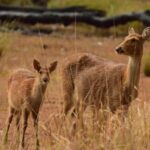
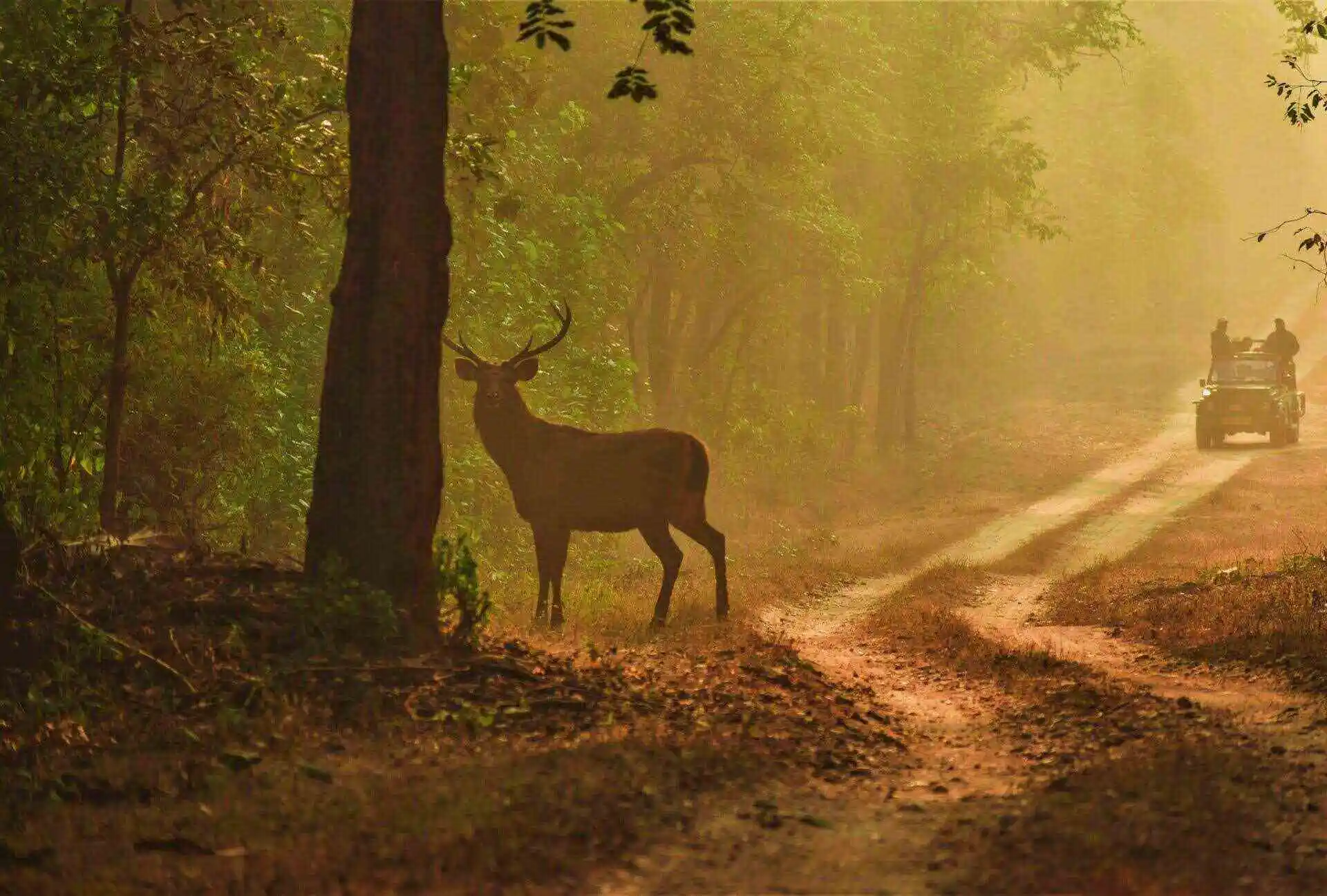
The Barasingha, also known as the swamp deer, found in Kanha National Park in India, is a sight to behold for wildlife enthusiasts. It is an endangered species that holds a special place in the ecosystem of the park and is a sight to behold for wildlife enthusiasts.
Kanha National Park, located in the state of Madhya Pradesh, is renowned for its rich biodiversity and conservation efforts. The Barasingha is one of the key species of his park. The most distinctive feature of these deer are their antlers that can have up to twelve tines.
Barasingha were once on the brink of extinction due to habitat loss and poaching but concerted conservation efforts in Kanha National Park have helped increase and maintain their population. Visitors are often treated to sightings of these graceful creatures grazing in their natural habitat.
Barasingha is an integral part of India’s wildlife heritage and thus protecting their habitat is crucial for maintaining biodiversity and ecological balance. Efforts to safeguard this endangered species serve as a testament to our commitment towards preserving our natural world for future generations to cherish and admire.
The Unique Characteristics and Habitat of the Barasingha
The most notable characteristic of Barasingha of Kanha is the presence of 12-tined antlers on the males. This feature gives it its name “Barasingha,” which translates to “twelve horns” in Hindi.
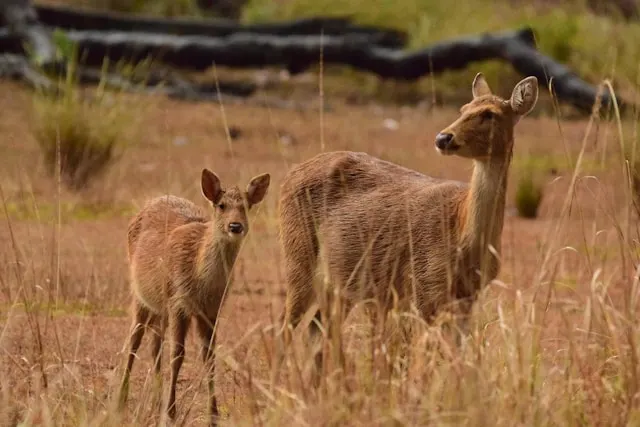
Barasingha is primarily found in the lush areas of Kanha. The park has a diverse landscape of grasslands, forests, and wetlands that provides the perfect environment for the Barasingha to thrive. These graceful creatures can be often spotted near water bodies, grazing on aquatic plants and grasses.
The Role of Barasinghas in the Ecosystem and Biodiversity of Kanha National Park
Barasinghas play a crucial role in maintaining the delicate balance of the ecosystem of Kanha National Park. These creatures are not only a wonder to the eyes but also serve as key indicators of the health of the park’s biodiversity.
As herbivores, Barasinghas help to regulate plant populations and to maintain ecological harmony within their habitat. Their grazing habits highly influence vegetation patterns, which in turn impact other species.
Efforts to protect and conserve Barasinghas have led to a greater focus on overall biodiversity conservation Kanha. By safeguarding their natural habitat and ensuring their continued presence, conservationists are working towards maintaining a diverse and thriving ecosystem for future generations.
The presence of Barasinghas in Kanha National Park serves as a reminder of the interconnectedness of all species within an ecosystem and highlights the importance of preserving biodiversity for a sustainable future.
Conclusion
Embracing the Beauty and Significance of the Barasinghas at Kanha National Park
As our exploration of the significance and beauty of Barasinghas at Kanha National Park comes to a conclusion, we should recollect the vital role they play in the ecosystem of this pristine wildlife sanctuary. The sight of these creatures roaming freely amidst the lush greenery is a huge testament to the rich biodiversity that thrives in this protected habitat.
The presence of these graceful creatures not only helps maintain the delicate balance of nature but they also contribute to seed dispersal and promote plant growth, thereby supporting a healthy ecosystem.
Moreover, these magnificent creatures have now become synonymous with conservation efforts in India and thus symbolise the success stories of wildlife preservation.
In embracing the beauty of the Barasinghas, we are reminded of our responsibility to protect and preserve our natural heritage for future generations to cherish. Let us continue to appreciate and safeguard these iconic species as they grace us with their presence in this enchanting wilderness.
If this article has evoked the wildlife enthusiast within you, then book a call with us now to get the front seat to watch these awe-inspiring creatures thrive in their habitat.