Weather in Kanha During March
March sits between winter and peak summer.
- Early mornings remain cool
- Day temperatures rise steadily
- Afternoons can feel warm, especially toward the end of the month
Average temperatures range roughly between 12°C and 32°C.
Morning safaris feel comfortable with light layers. By afternoon, you will likely prefer breathable cotton clothing.
Unlike April and May, the heat in March is still manageable.
Forest Conditions in March
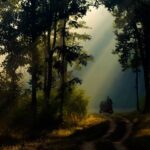
By March, the forest begins to change.
- Grass starts thinning
- Water sources reduce slowly
- Visibility improves compared to winter
- Sal and bamboo forests remain partly green
This shift helps naturalists track wildlife more easily.
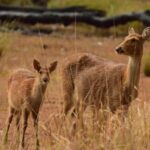
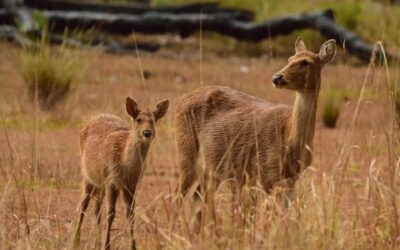
The meadows of Kanha, especially in core zones like Kisli and Kanha, become active in the mornings. Barasingha herds are often seen grazing in open areas.
Tiger Sightings in March
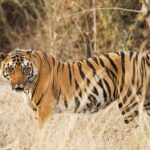
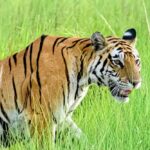
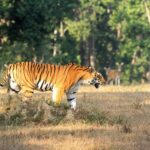
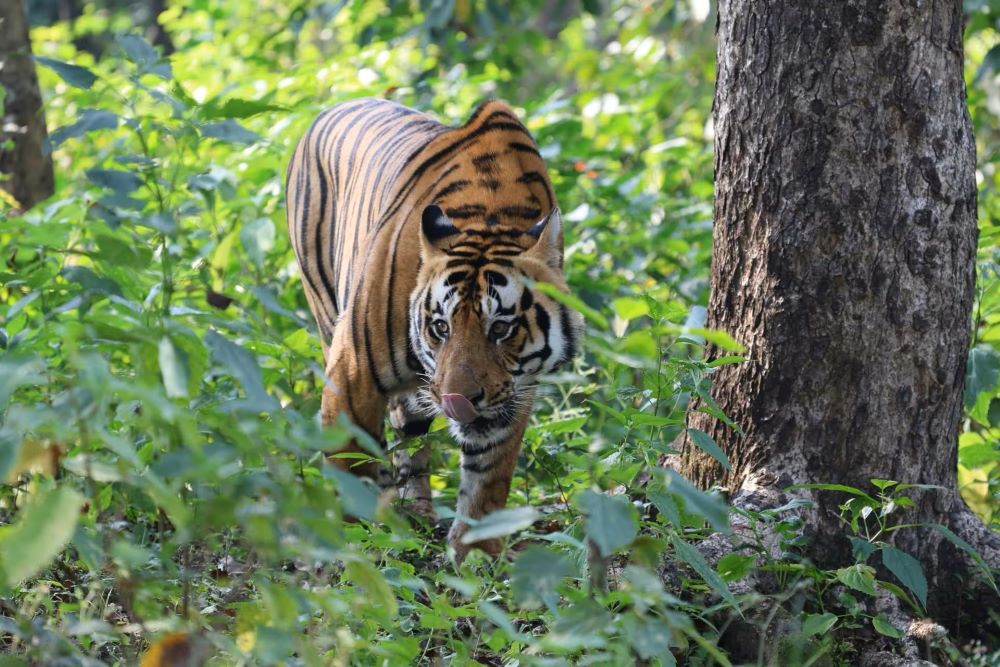
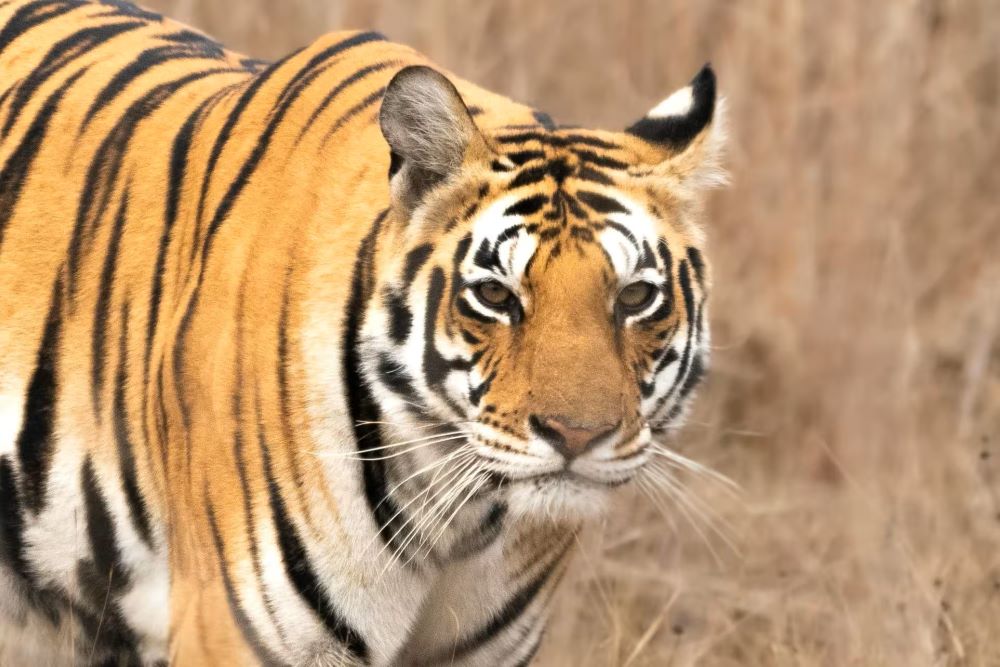
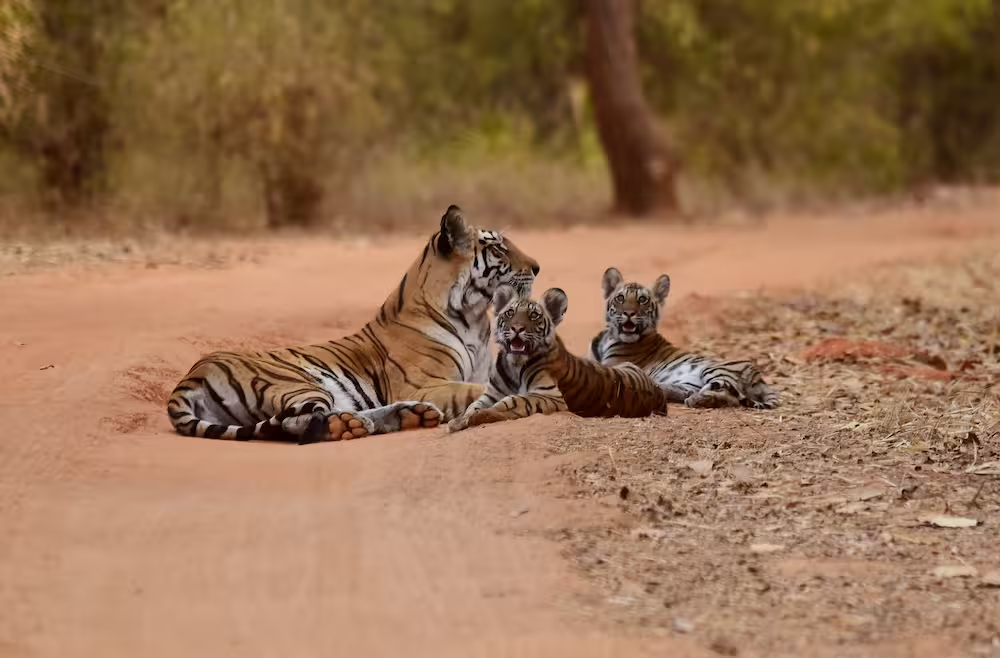
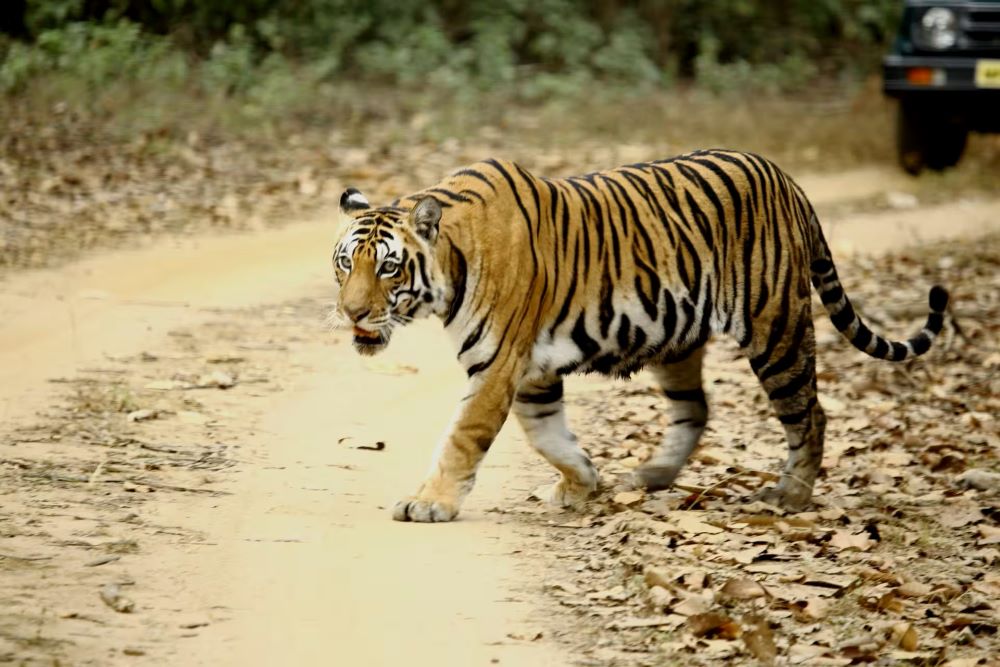
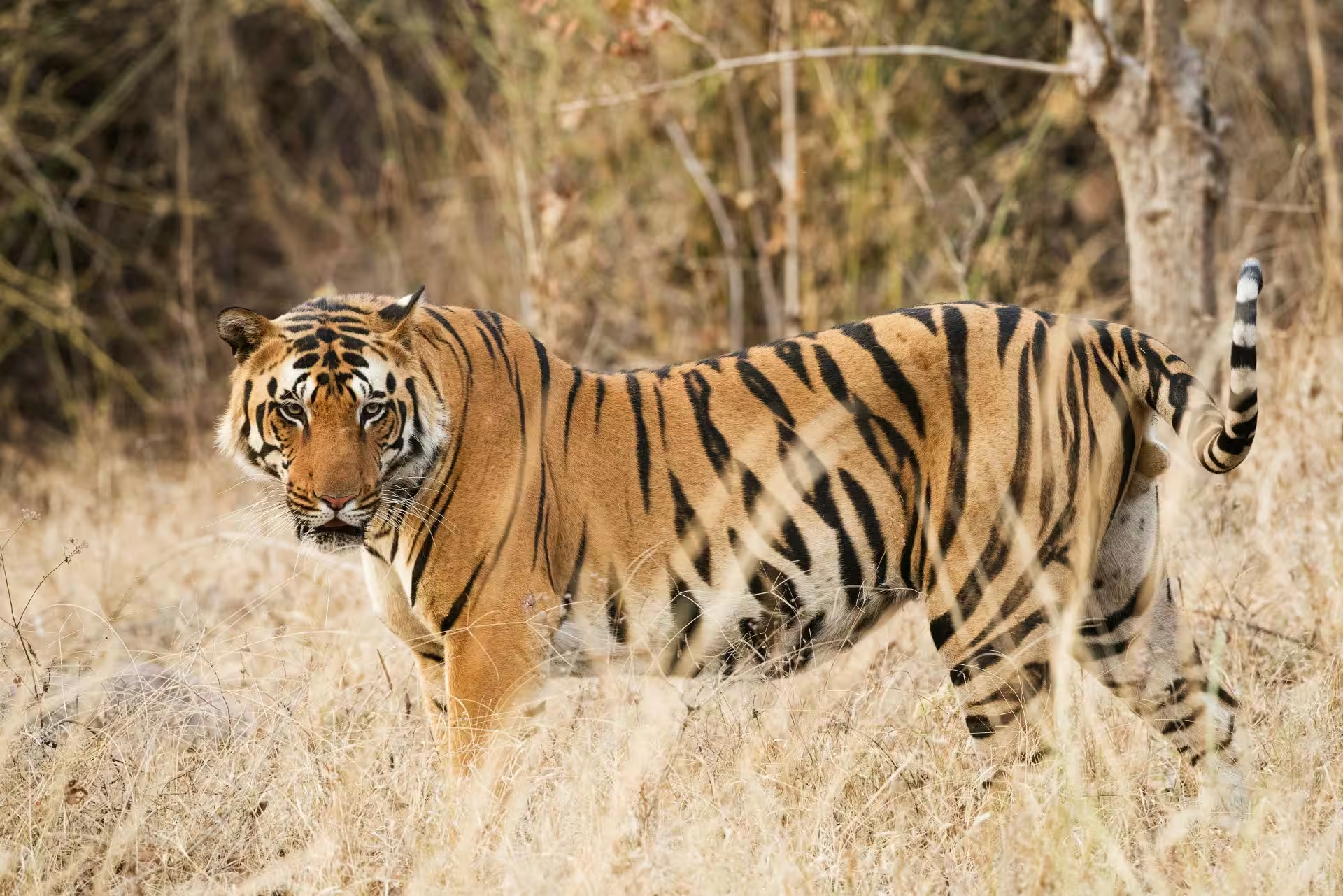
March is considered a good transition month for tiger sightings.
Why?
As temperatures rise:
- Tigers begin visiting water bodies more frequently
- Animal movement increases during early morning hours
- Visibility improves due to thinning vegetation
Sightings are never guaranteed, but many visitors report consistent movement in core zones during March.
Buffer zones also remain active, especially near water areas.
Morning safaris generally offer better tracking conditions compared to late afternoon drives.
Crowd Levels in March
March falls between peak winter rush and peak summer demand.
What this means:
- Weekends can still fill quickly
- Weekdays are comparatively relaxed
- Core zones may sell out in advance
If your travel dates are fixed, advance booking is still recommended.
It is not as crowded as December holidays, but not completely empty either.
Safari Timings in March
Kanha safari timings shift slightly toward summer schedule.
Typically:
- Morning Safari: Around 6:00 AM
- Afternoon Safari: Around 3:00 PM
Exact reporting times are mentioned on the permit.
Morning safaris feel cooler and more comfortable. Afternoon safaris can be warm but sometimes productive near water bodies.
Wildlife You May See in March
Apart from tigers, March offers active wildlife movement.
Common sightings include:
- Barasingha (hard ground swamp deer)
- Spotted deer
- Sambar
- Gaur
- Wild dogs (occasionally)
- Jackals
- Langurs
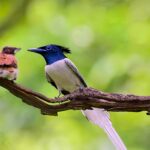
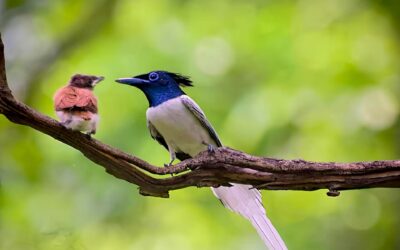
Birdlife remains strong before peak summer heat reduces activity.
March also gives clear landscape views across Kanha’s meadows and forest roads.
What to Pack for Kanha in March
Keep packing simple and practical:
- Light jacket for morning safari
- Comfortable cotton clothing
- Cap or hat
- Sunglasses
- Sunscreen
- Closed walking shoes
Avoid bright colors. Neutral tones work best inside the forest.
Is March a Good Time to Visit Kanha?
Yes, for many travellers, March offers balance.
You get:
- Improving sighting conditions
- Manageable temperatures
- Lower crowd pressure compared to holidays
- Greener landscape than peak summer
If you want extreme dry forest conditions for maximum waterhole sightings, April and May are stronger months.
If you prefer mild weather and comfortable safaris, March works well.
Planning Tips for March Safari
Before booking:
- Confirm which zone you want (Kanha, Kisli, Mukki, or Sarhi)
- Match the entry gate with your hotel location
- Book core zones early if visiting on weekends
- Double-check ID details during booking
March is a transition month. Smart planning helps you make the most of it.
Final Thoughts
Kanha in March feels alive but not harsh. The forest begins preparing for summer, wildlife becomes more visible, and safari conditions improve steadily.
It is not peak heat season yet. It is not peak tourist season either.
For many first-time visitors, March offers a balanced and rewarding safari experience in one of India’s most respected tiger reserves.