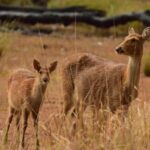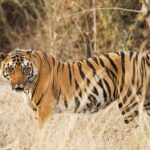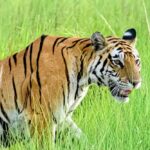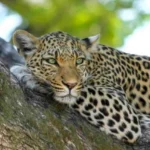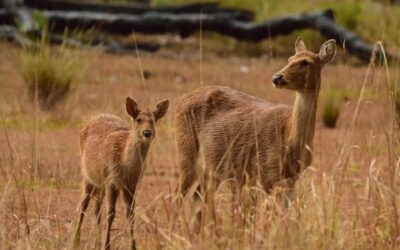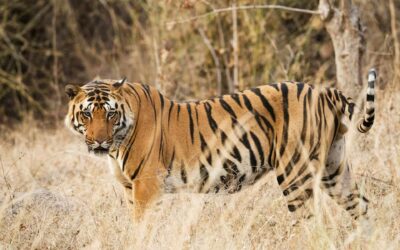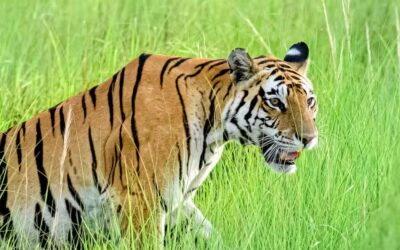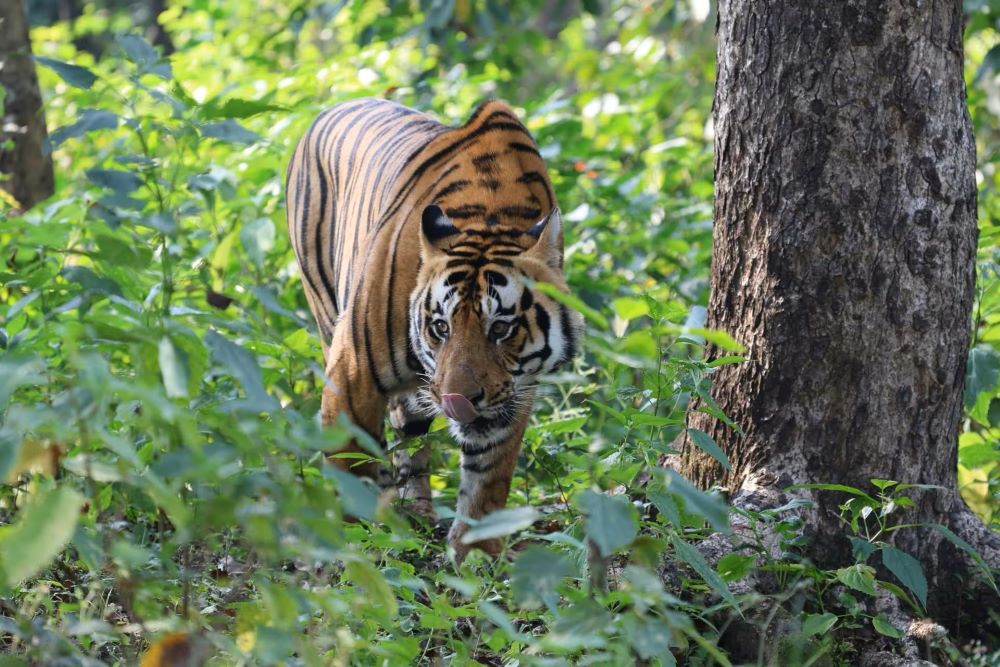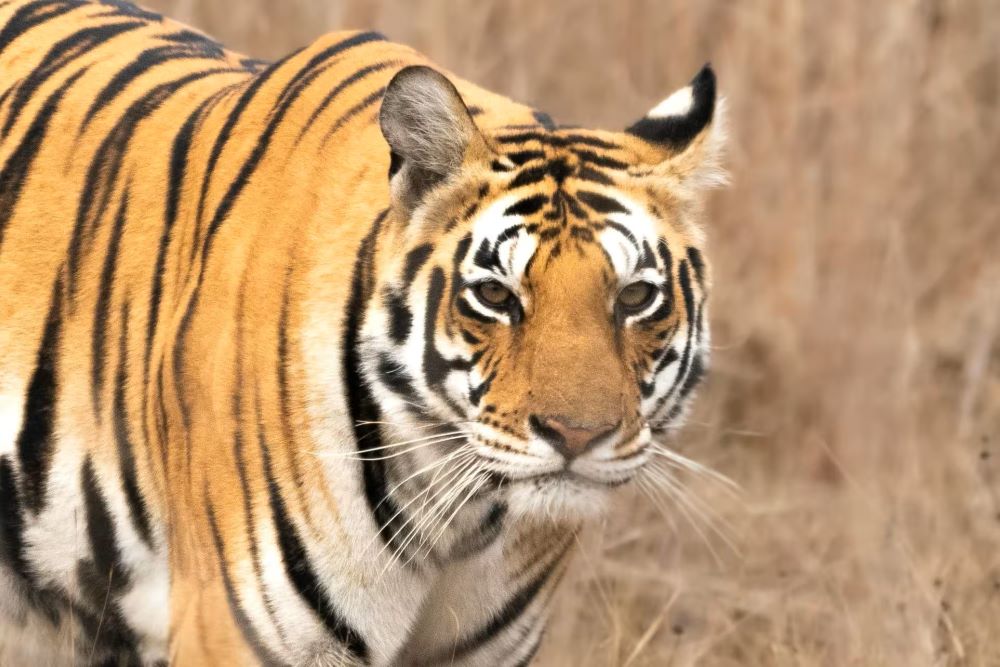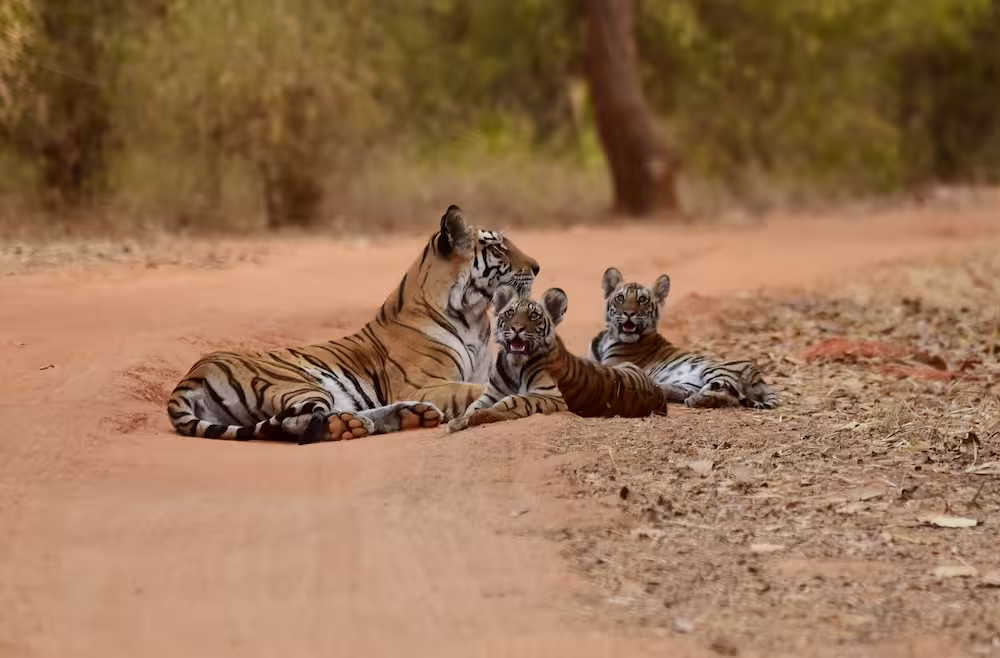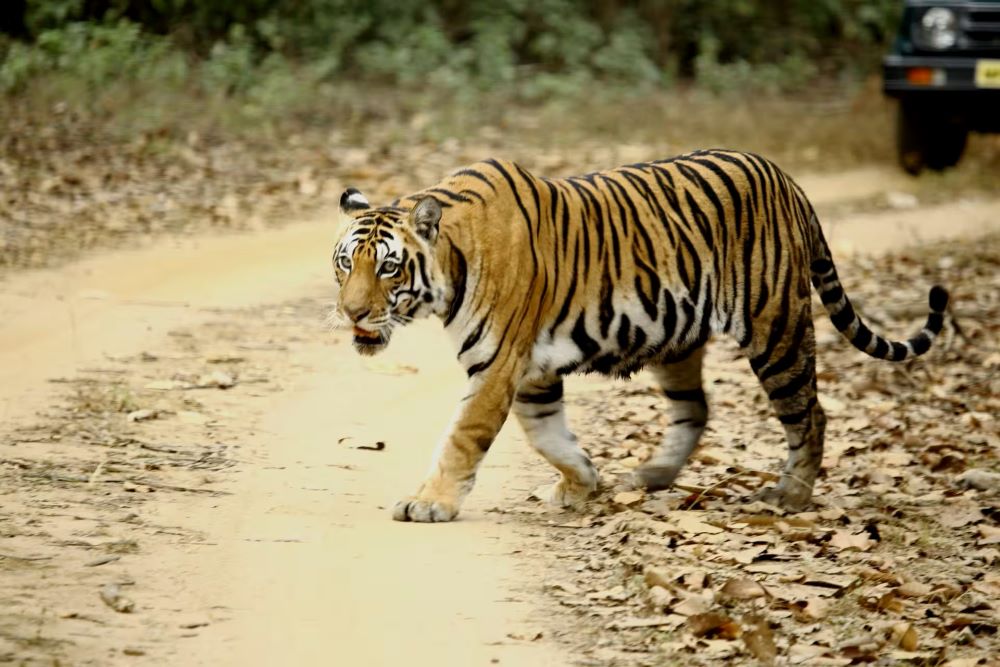
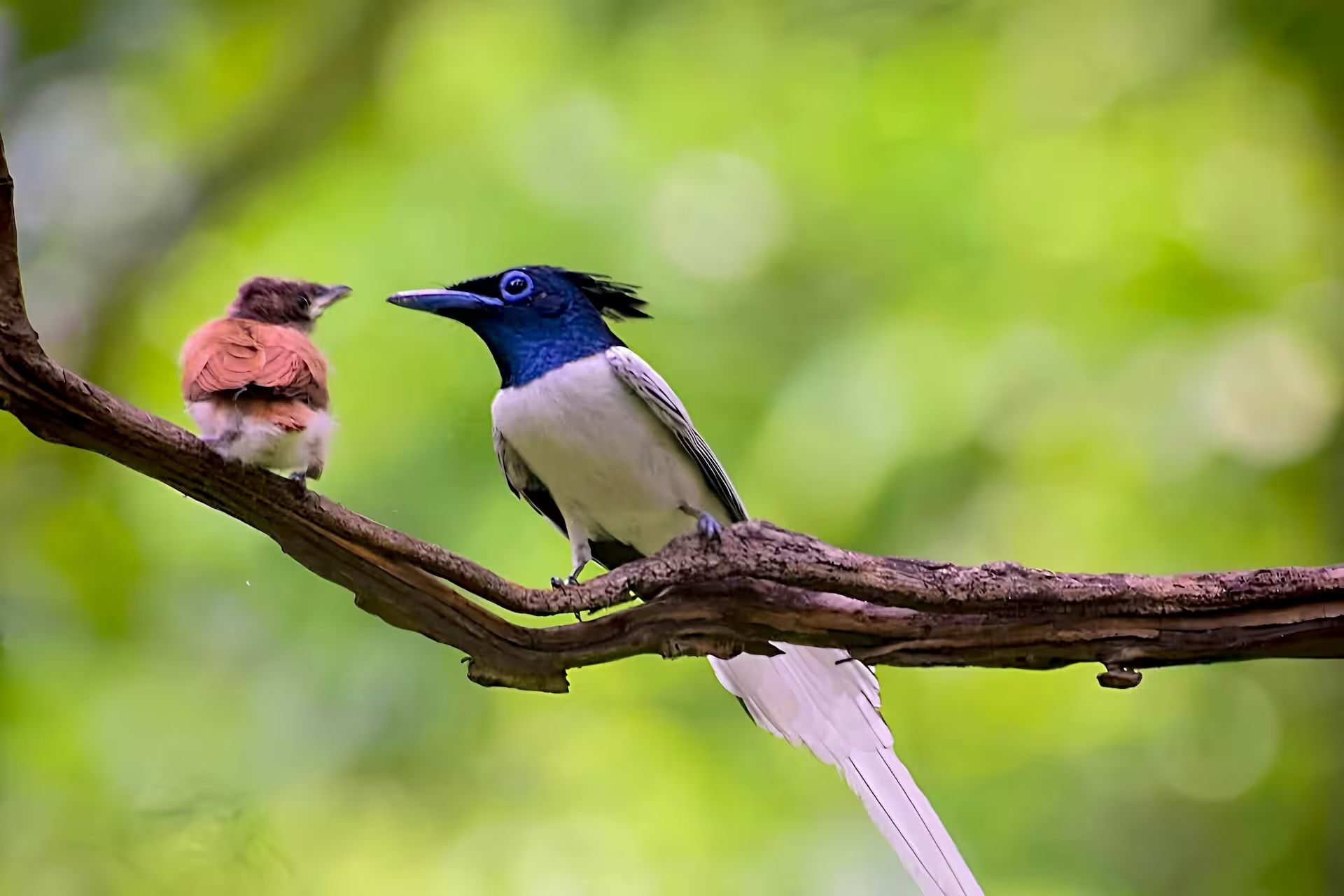
Kanha is known for tigers and barasingha. But if you slow down during safari, you will notice that this park is just as rewarding for birdwatchers.
The mix of sal forest, open meadows, bamboo patches, and water bodies creates different bird habitats within a single drive. You do not need to be a serious birder to enjoy it. Even during a regular tiger safari, bird sightings happen naturally.
Here are ten birds that truly represent Kanha’s landscape.
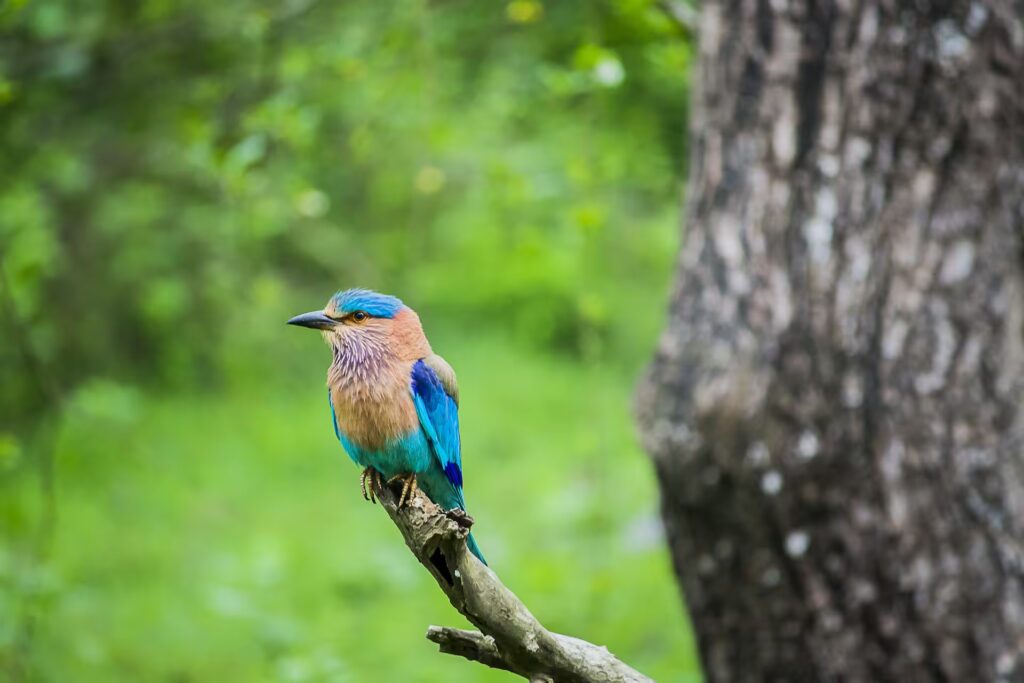
Indian Roller
You will often see this bird sitting on exposed branches along open tracks.Its bright blue wings flash clearly when it flies. Kanha’s open meadows and roadside perches make it easy to spot, especially in summer.
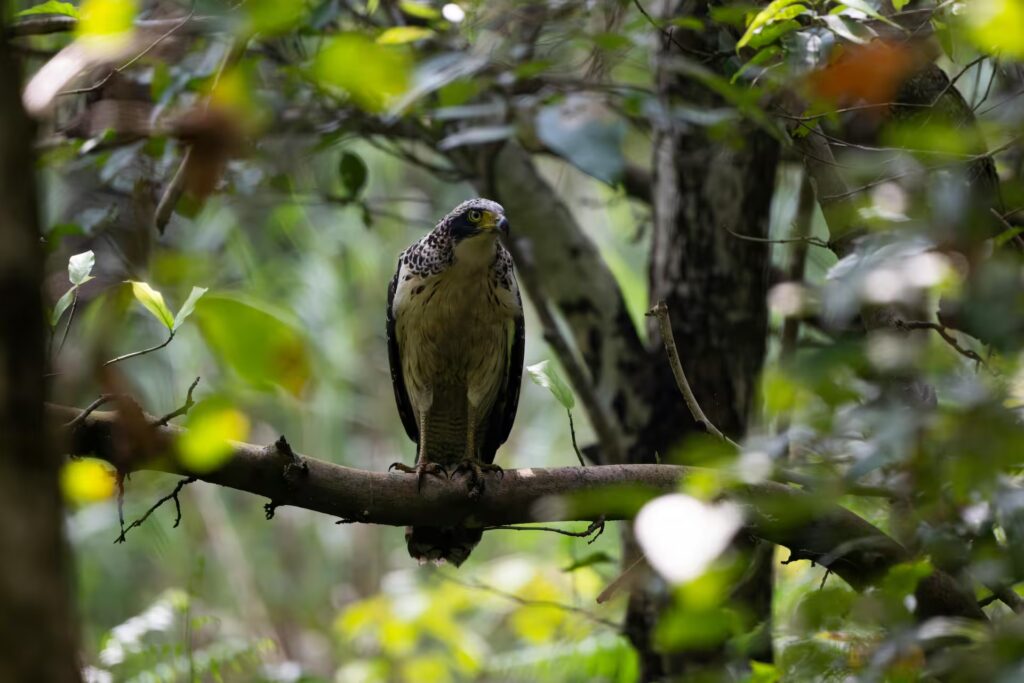
Crested Serpent Eagle
This is one of the most commonly heard raptors in Kanha. It gives a sharp whistling call and usually perches high on sal trees. Since Kanha has dense forest patches, this eagle prefers tall canopy areas.
Early mornings are best for sightings.
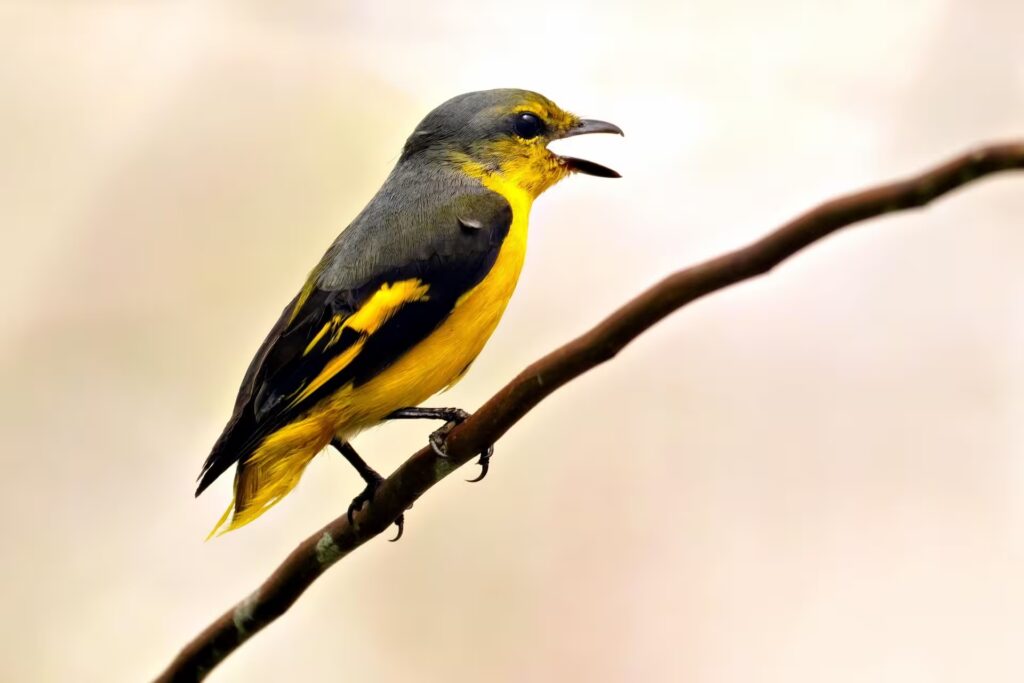
Scarlet Minivet
If you see a sudden flash of red moving through the forest canopy, it is likely a male Scarlet Minivet. They move in small groups and stay high in sal forests. Winter and early summer safaris are especially good for spotting them.
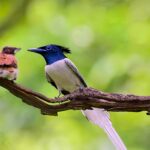
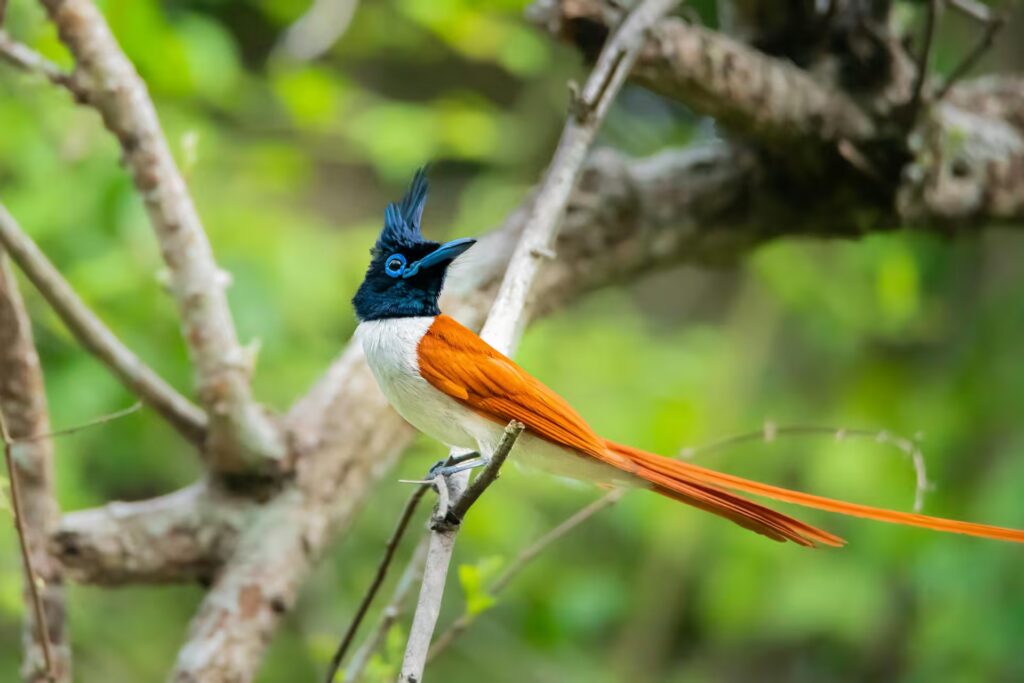
Indian Paradise Flycatcher
One of the most graceful birds in Kanha. The male has a long white tail that flows behind while flying between branches. They prefer shaded forest patches and water edges. Post-monsoon and winter months are ideal.
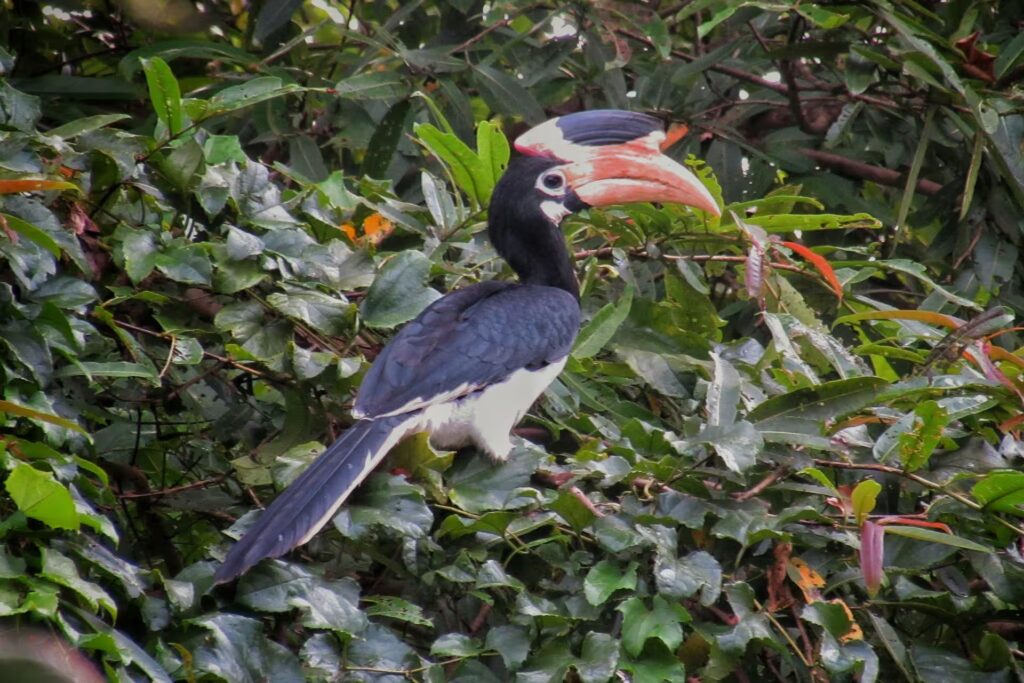
Malabar Pied Hornbill
Hornbills are not seen on every drive, but Kanha’s mature forest gives you a fair chance. They move in pairs and stay near fruiting trees. Their large bill and heavy wingbeats make them easy to identify once spotted.
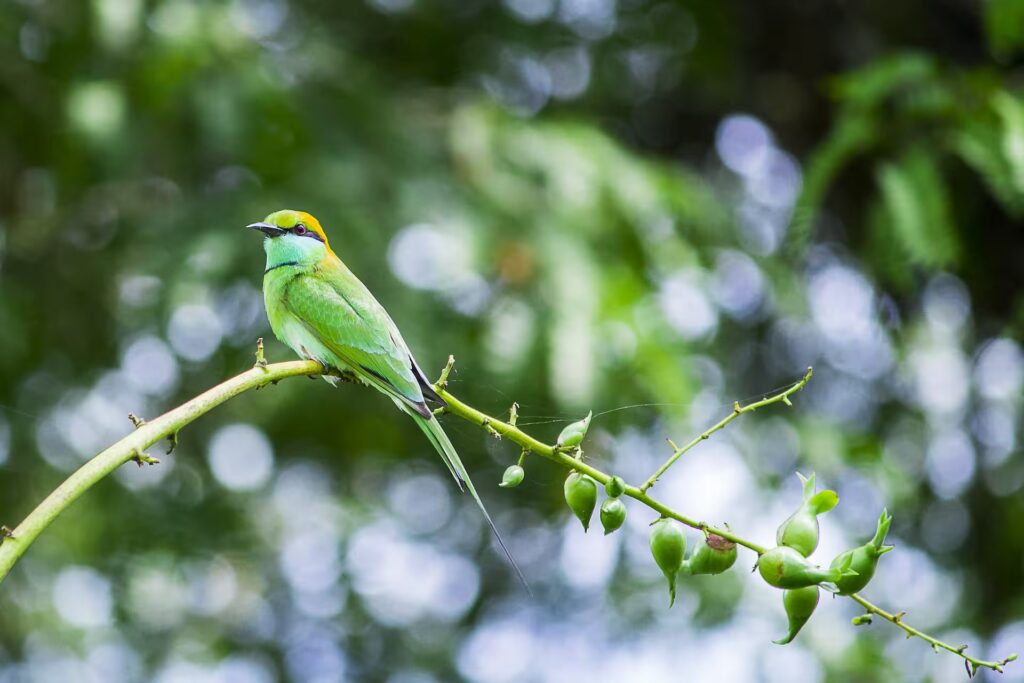
Green Bee-eater
Common but beautiful. These birds sit on low branches in open grasslands. When vehicles disturb insects, they quickly swoop down to catch them. Summer safaris often show them clearly against dry grass backgrounds.
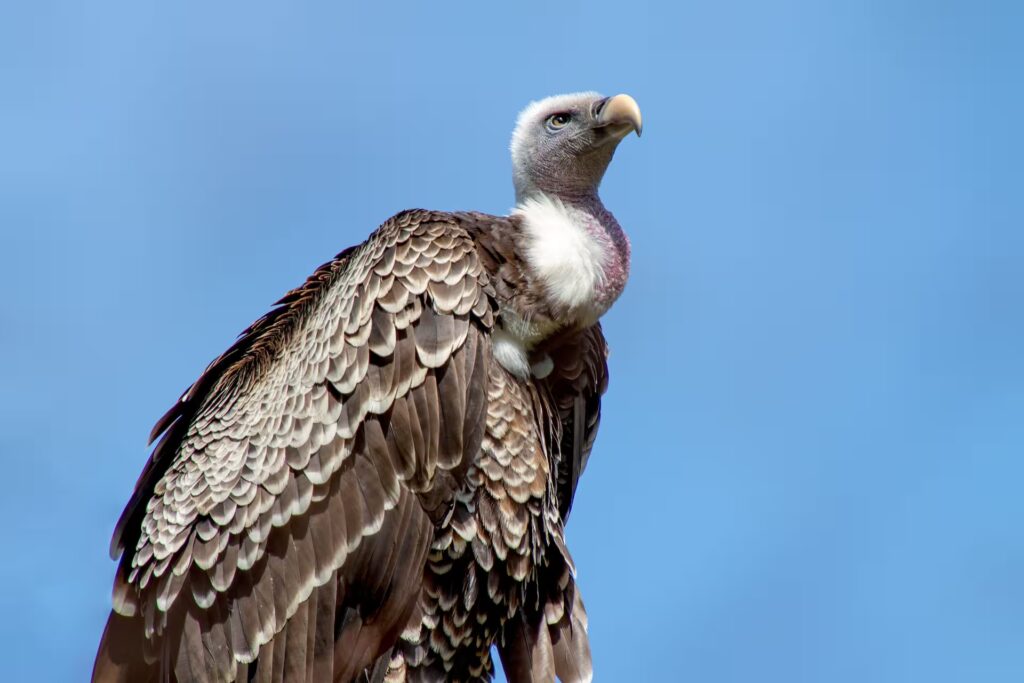
White-rumped Vulture
Kanha plays an important role in vulture conservation. If there is a recent carcass alert, guides often scan the sky for circling vultures. They are usually seen in open meadow sections rather than deep forest.
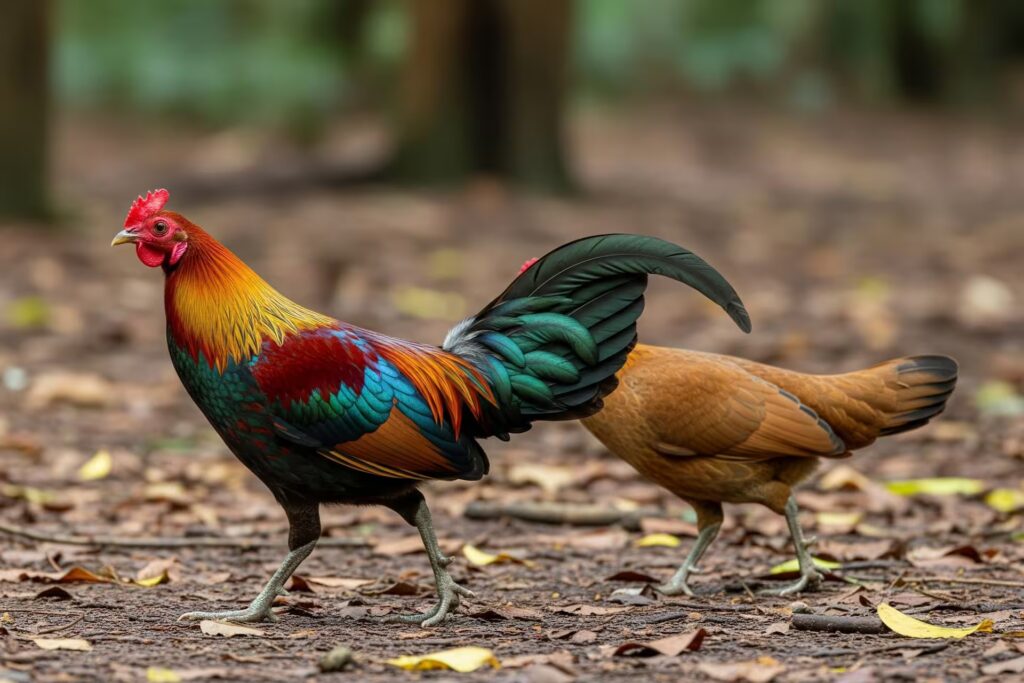
Red Junglefowl
The wild ancestor of domestic chicken. You may see them quickly crossing safari tracks early in the morning. They prefer forest edges and bamboo thickets.
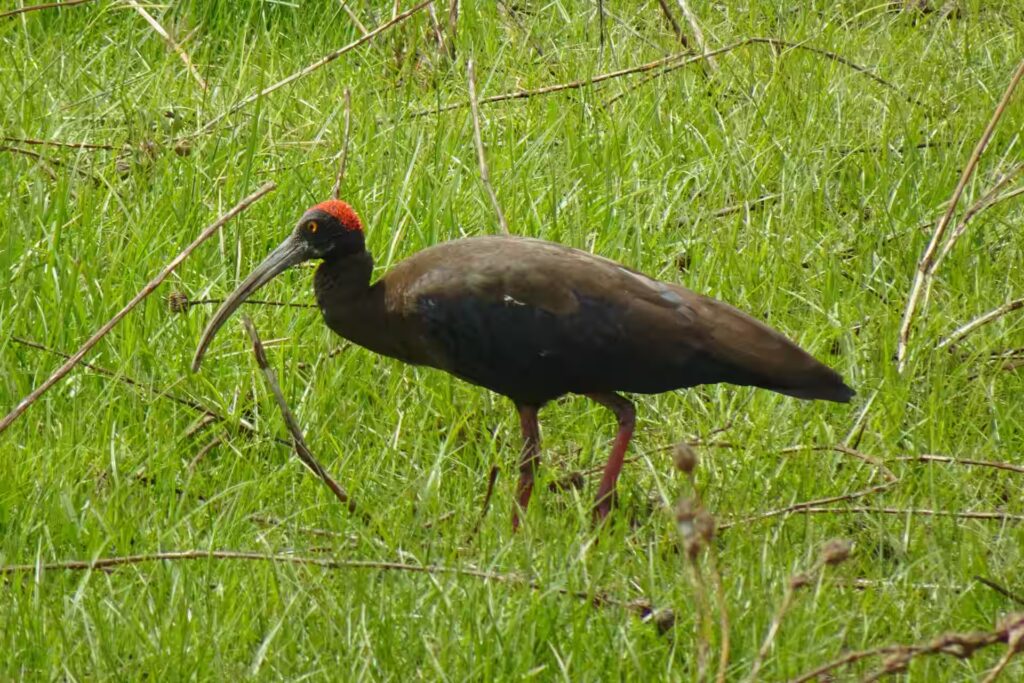
Black Ibis
More common near open grassland patches. Their curved bill and glossy dark body stand out clearly when they walk in small groups.
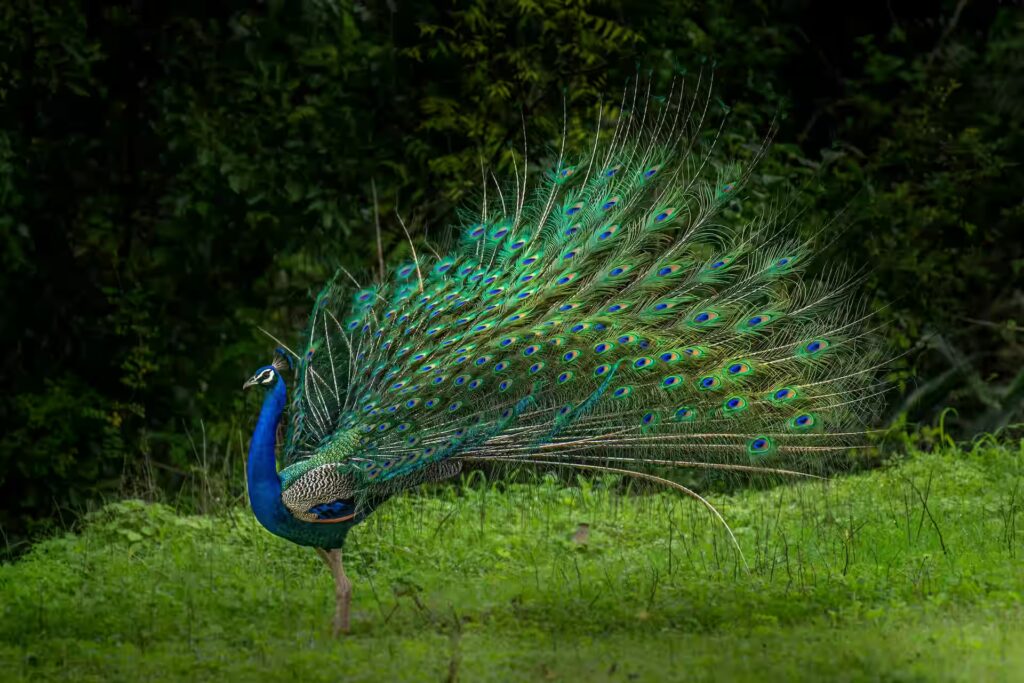
Indian Peafowl
Peafowl are common, but in Kanha’s wide meadows, you often see them in natural display without village disturbance. During breeding season, males spread their feathers near forest clearings.
What Makes Birding in Kanha Different?
Kanha is not river-dominated like Corbett. It is not rocky and cliff-heavy like Panna. Here, birding mostly happens in:
- Sal forest canopy
- Open meadows
- Grassland patches
- Occasional waterholes
This means you spend more time scanning tree lines and meadow edges rather than riverbanks or cliffs. The presence of structured grassland also supports ground birds and raptors.
Best Time for Birdwatching in Kanha
- October to March – Maximum species diversity
- March to May – Easier visibility due to dry forest
- Early morning safaris give better calls and movement
Summer also helps because foliage becomes thinner.
Practical Birding Tips for Kanha Safari
- Sit in the front row if possible for clearer upward view
- Carry binoculars (8×42 works well)
- Ask the guide to slow down in meadow sections
- Listen carefully – many birds are heard before seen
Even during a tiger-focused safari, bird sightings happen naturally if you stay observant.
Final Thoughts
Kanha rewards patience. If you only look for tigers, you might miss half the experience. The park’s sal forests and wide meadows quietly support a rich bird population. Take one safari where you focus less on big cats and more on the forest around you. Kanha feels very different when you do that.