
Wildlife of Kanha National Park
Fauna in Kanha
Kanha National Park’s allure comes from its rich and diverse wildlife, which even inspired characters in Rudyard Kipling’s timeless classic, The Jungle Book. The park’s landscapes and animals brought to life figures such as Sher Khan, the Bengal tiger, Baloo, the sloth bear, Bagheera, the black panther, Kaa, the python, and Akela, the wolf. These characters have immortalized Kanha’s wildlife in literature and popular culture, making the park feel both familiar and magical to visitors.
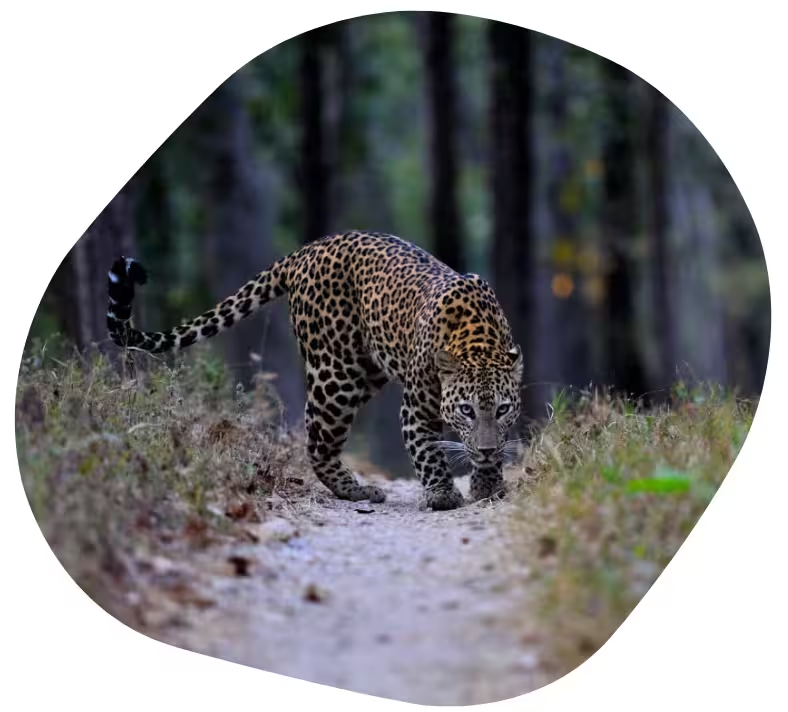

100+
Royal Bengal Tiger

300+
Bird Species

350+
Butterfly Species

50+
Reptiles & Amphibians
Mammals
The park is home to approximately 39 mammals.
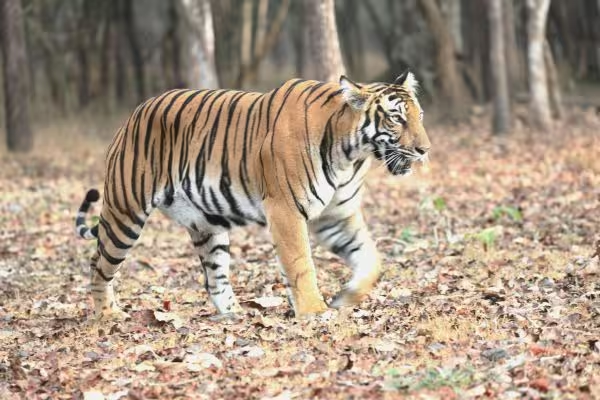
Bengal Tigers
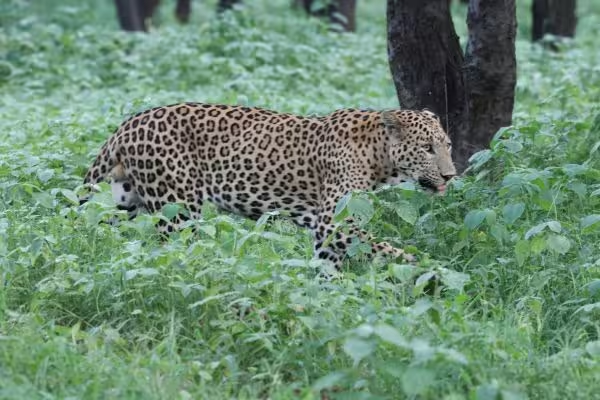
Indian Leopard
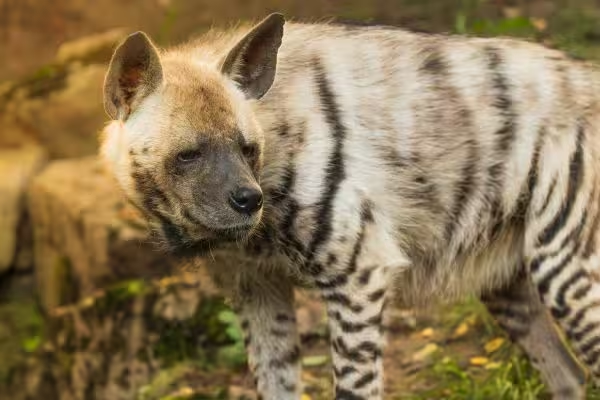
Striped Hyena
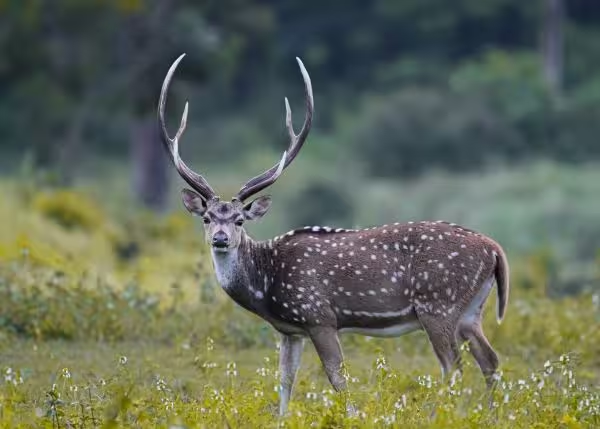
Spotted Deer
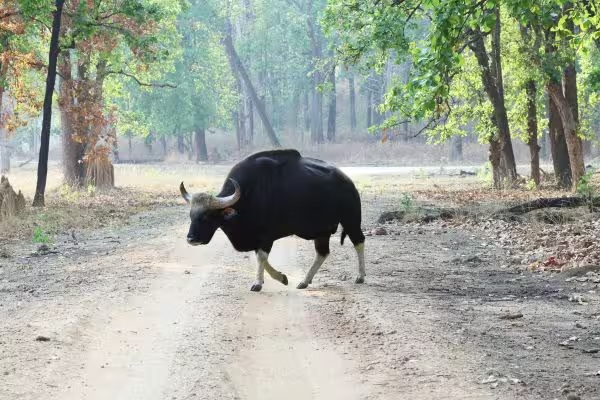
Bison
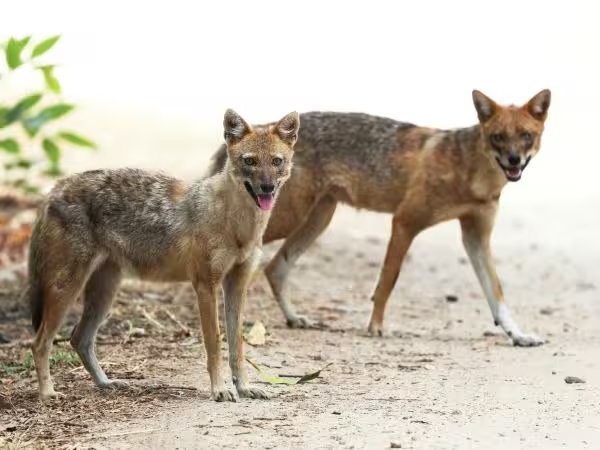
Golden Jackal
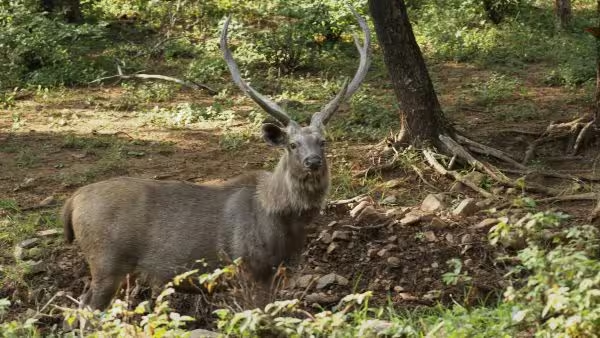
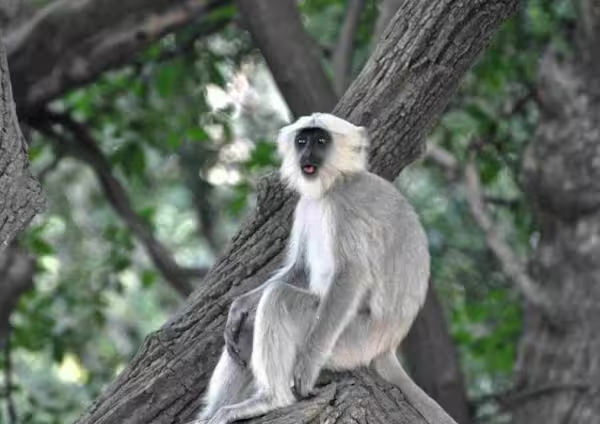
Langur
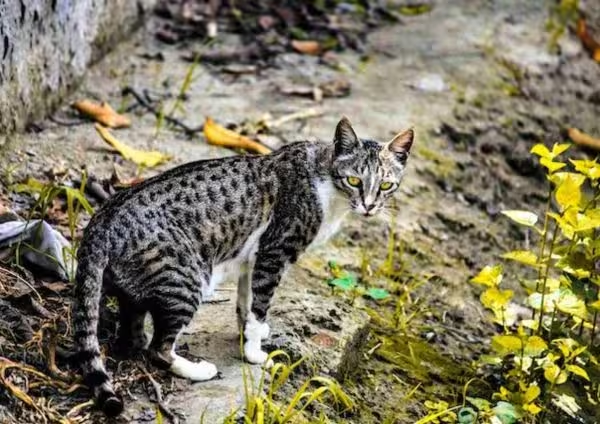
Rusty Spotted Cat
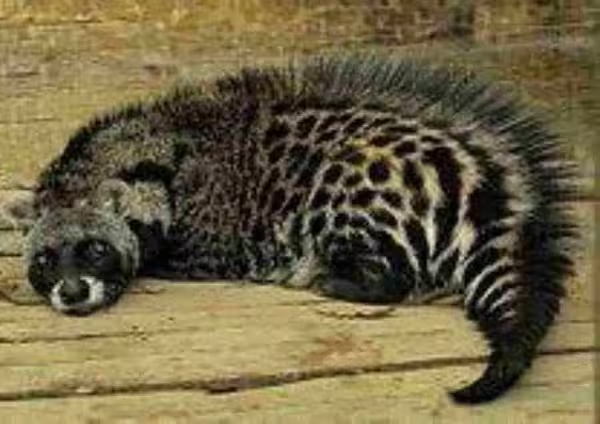
Little Indian Civet
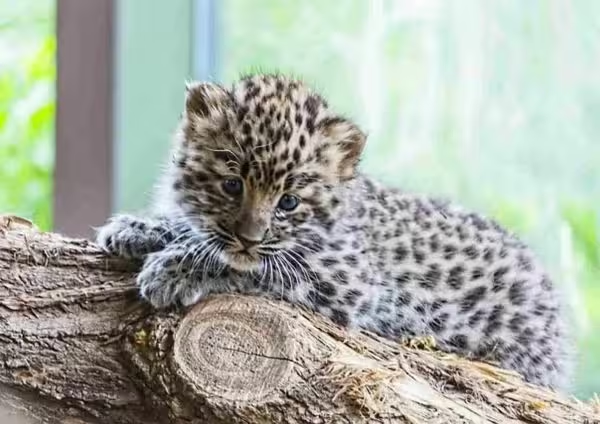
Leopard Cat
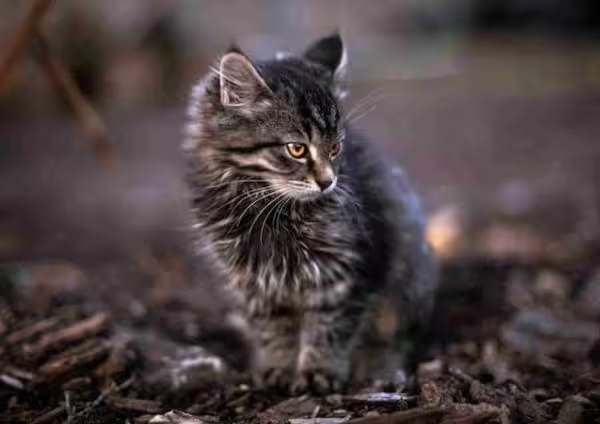
Jungle Cat
Birds
Kanha will also excite the bird lovers as there are 300 birds flying in the sky.
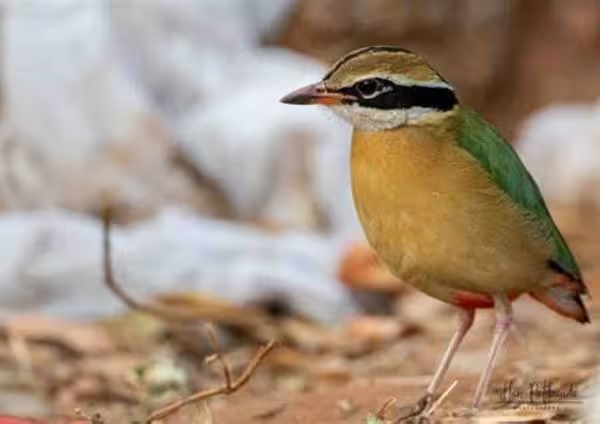
Indian Pitta
Indian Roller
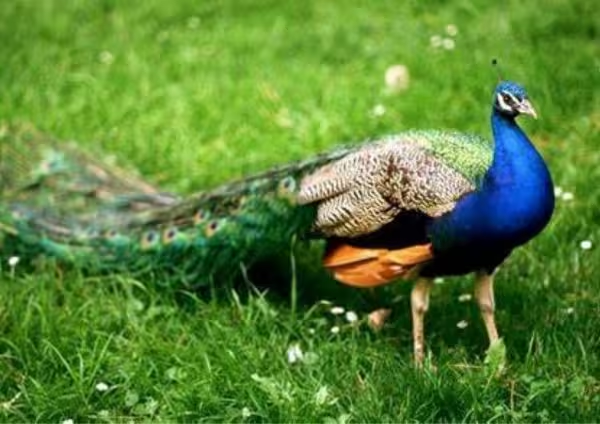
Peafowl
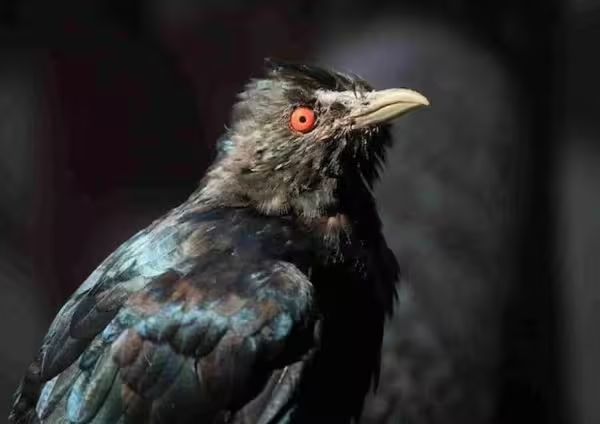
Racket-tailed Drongo
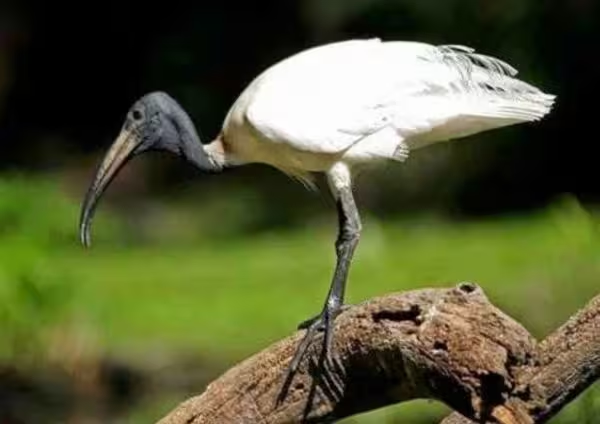
Indian Black Ibis
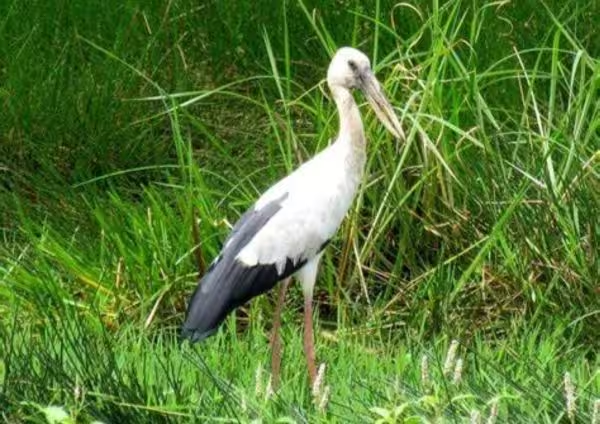
Asian Openbill
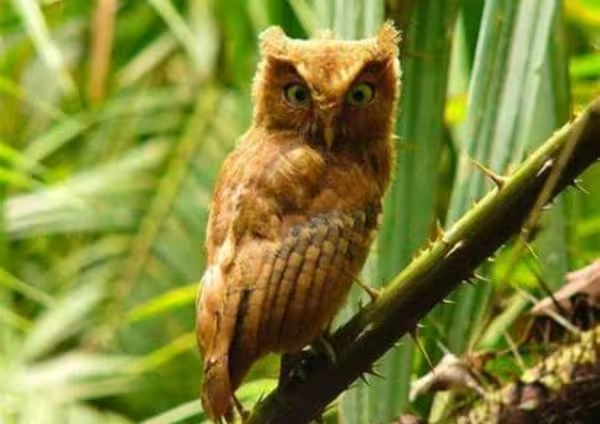
Indian Scops Owl
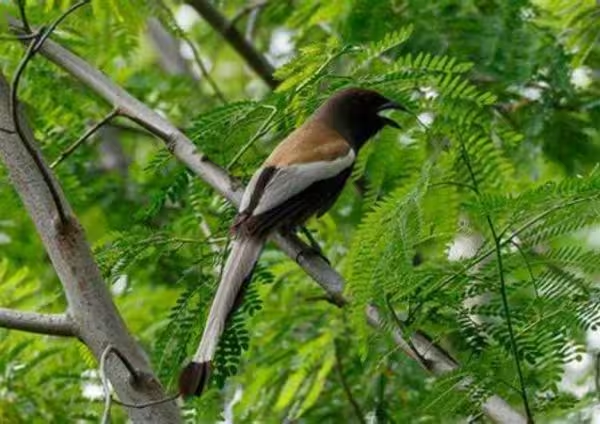
Rufous Treepie
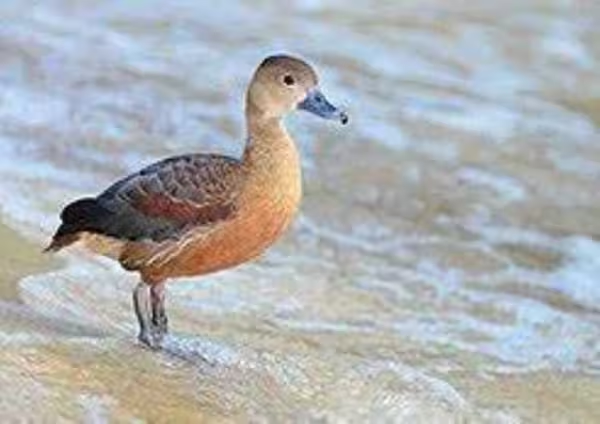
Red Spurfowl
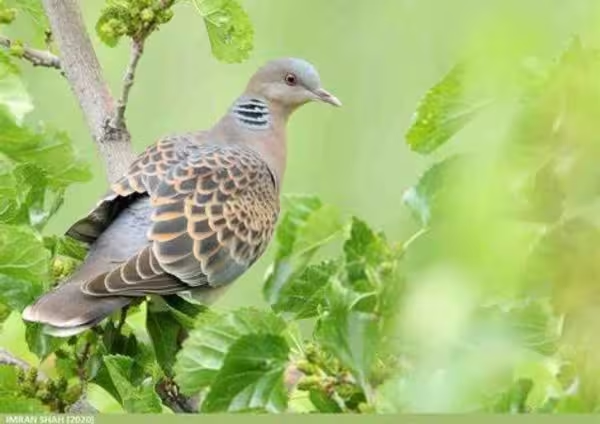
Oriental Turtle Dove
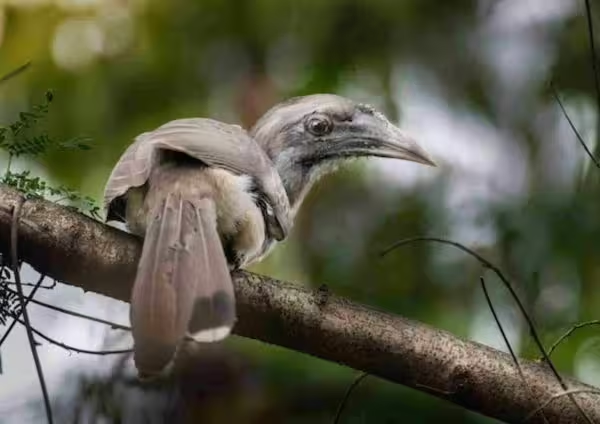
Indian Grey Hornbill
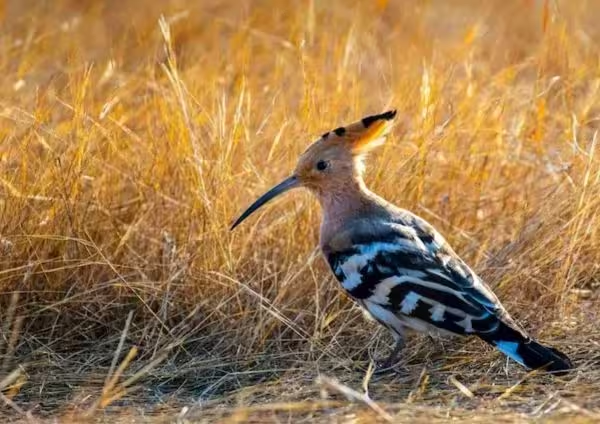
Common Hoopoe
Reptiles
There are also 30 species of reptiles roaming the jungles and waters of the Kanha tiger reserve.
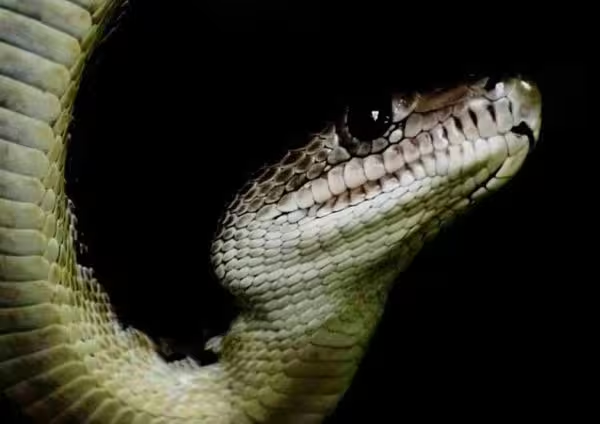
Sand Boa
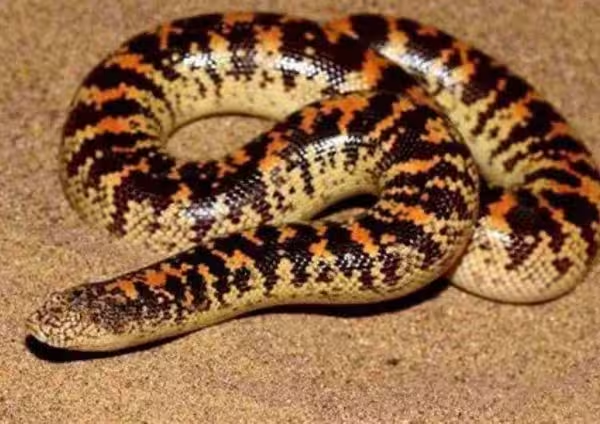
Checkered Keelback
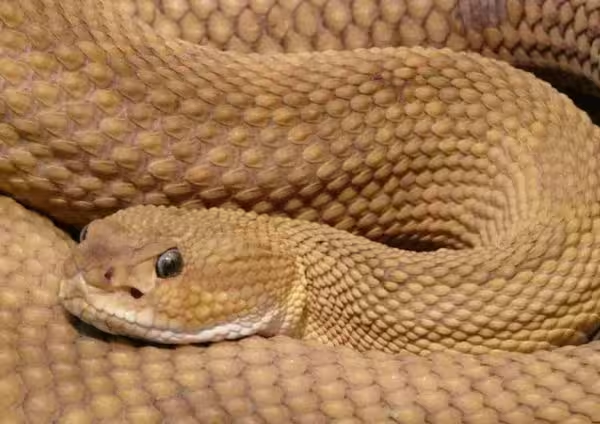
Russell’s Viper
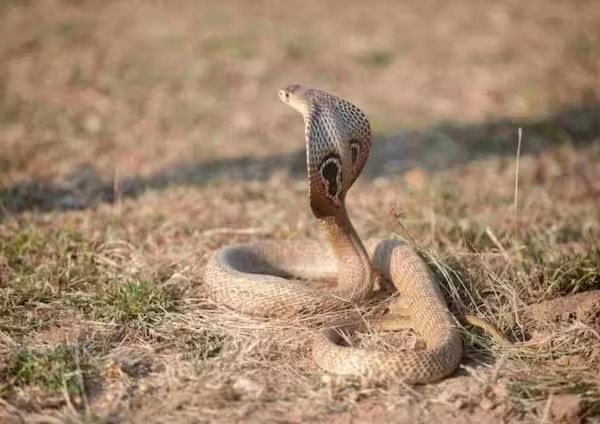
Spectacled Cobra
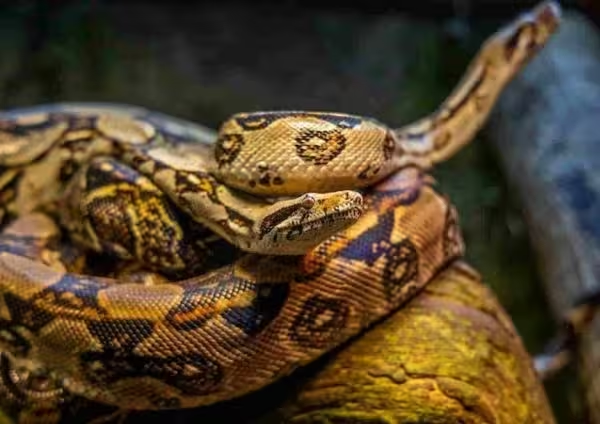
Indian Rock Python
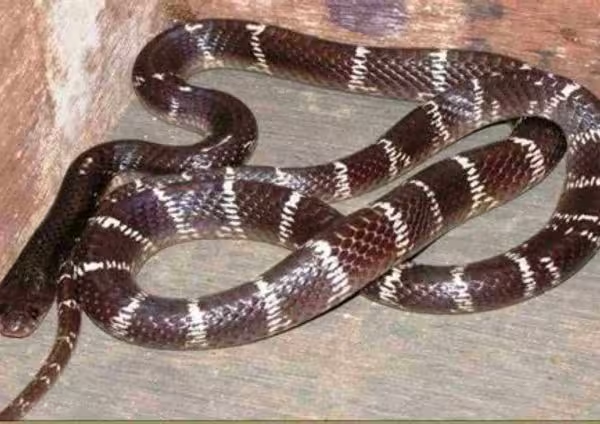
Common Krait

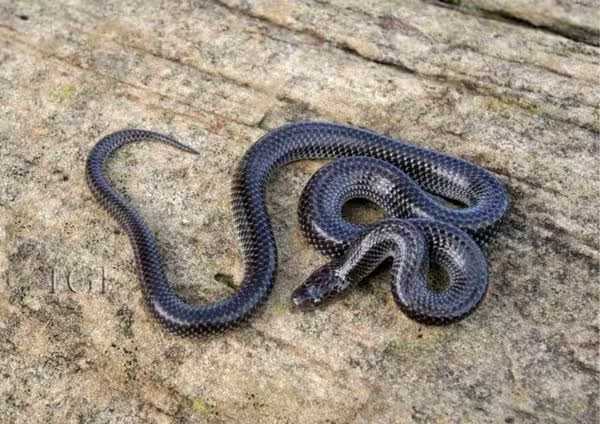
Common Wolf Snake
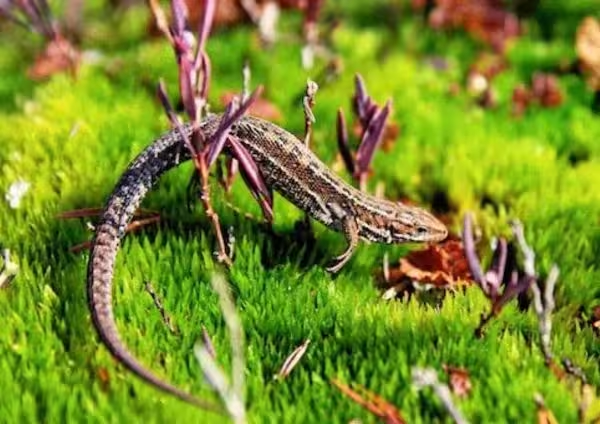
Indian Garden Lizard
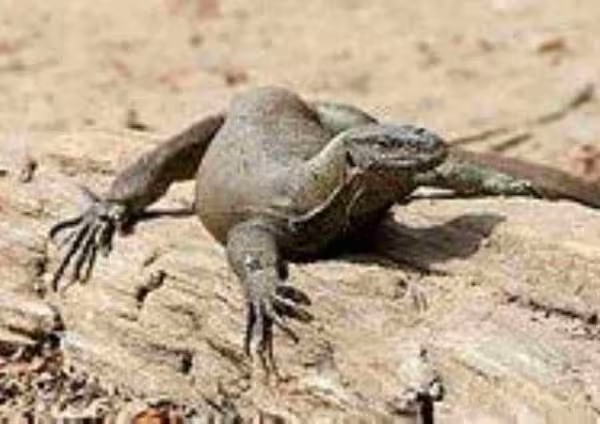
Indian Monitor Lizard
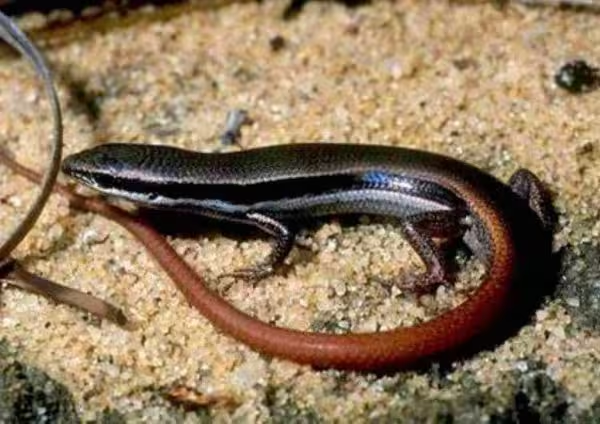
Common Skink
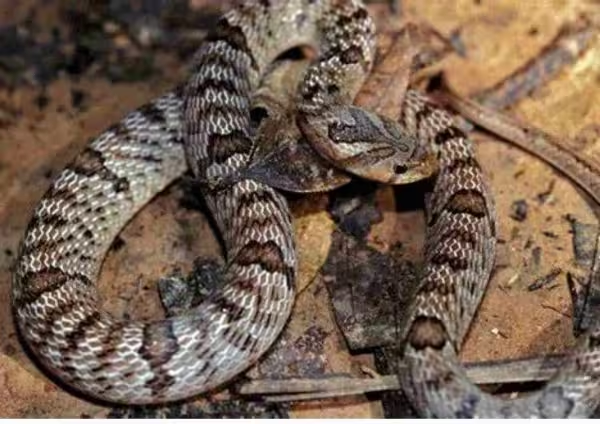
Banded Kukri Snake
FAQs – Wildlife in Kanha
Which animal is Kanha most famous for?
Kanha is most famous for its Bengal tigers and the rare hardground barasingha.
How many species of mammals are found in Kanha?
There are over 40 species of mammals, along with more than 300 species of birds.
Can leopards be seen in Kanha?
Yes, leopards are present, though sightings are less common compared to tigers.
What are the best zones for spotting wildlife in Kanha?
Kanha and Mukki zones are best for tigers, Kisli for balanced sightings, and Sarhi for birdwatching
Are reptiles commonly seen during safaris?
Yes, monitor lizards, pythons, and turtles are often spotted, especially during summer.